Two different mechanisms
Both destroy the steel's protection. They do it at different speeds, in different patterns, and they need different work.
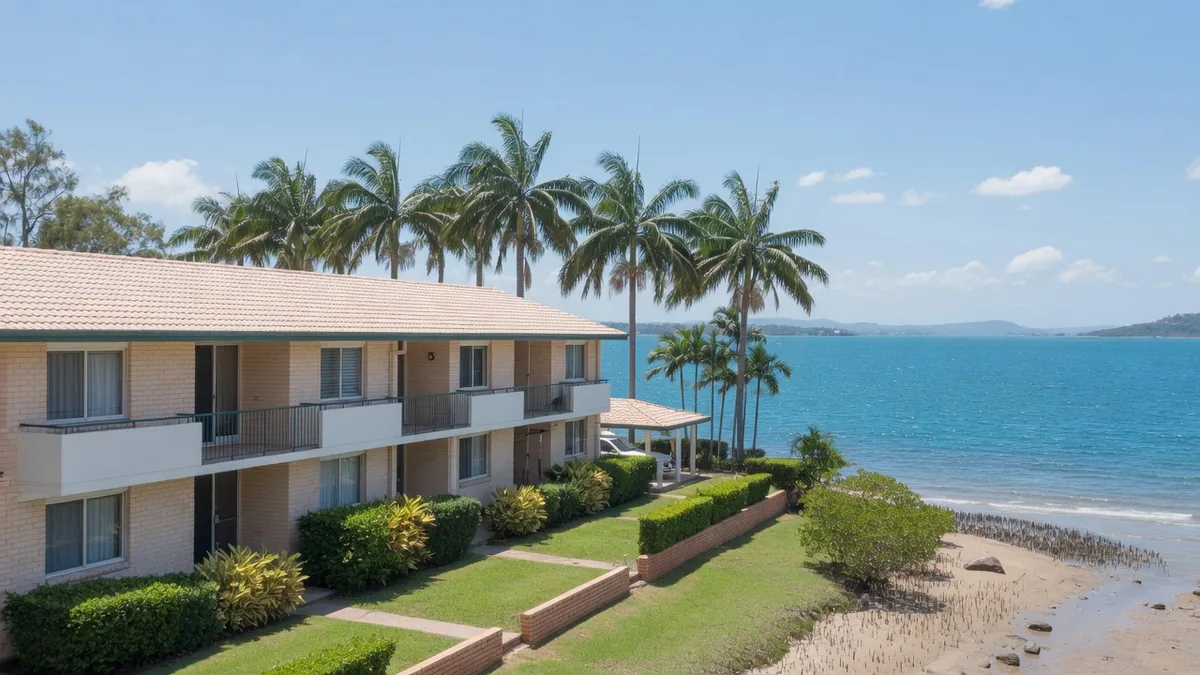
Every concrete cancer job starts with this question, and a scope written without answering it is guesswork. Concrete Cancer Brisbane does the testing that settles it before we quote.
| Carbonation | Chloride attack | |
|---|---|---|
| What happens | CO₂ neutralises the concrete's alkalinity, so the passive layer dissolves | Chloride ions break the passive layer locally without changing pH |
| Speed | Slow — decades to reach the steel | Fast, once chloride reaches the bar |
| Pattern | Even and widespread across elements of similar age and cover | Localised pitting, concentrated on exposed faces |
| Where in Brisbane | Everywhere, inland especially | Bayside, the river, and car parks from vehicles |
| How it is tested | Phenolphthalein on a fresh break — pink where still alkaline | Drilled dust samples analysed for chloride content |
| Repair implication | Conventional patch repair usually adequate | Anodes, wider removal, sometimes cathodic protection |
This is the part that costs committees money when it is missed. In chloride-contaminated concrete, patching the damaged area alone can accelerate corrosion in the steel immediately surrounding the patch. The new, alkaline repair mortar sits against old, contaminated concrete, and the difference in electrochemical potential between them drives corrosion at the boundary. It is known as the incipient anode effect, and it is why chloride-affected buildings sometimes see fresh spalling in a ring around last year's repair.
Sacrificial anodes are the usual answer: small zinc units cast into the repair that corrode preferentially and protect the steel around them. They add cost per repair and they are the difference between a repair that lasts and one that migrates.
Carbonation is happening on every building of this age regardless of location. Chloride is added anywhere near Moreton Bay. So on a Wynnum or Redcliffe block the sensible assumption is both mechanisms, tested rather than presumed, with the repair specified for the more aggressive of the two. Inland at Chermside or Coorparoo, carbonation alone is the likely answer and the repair is simpler and cheaper.
The suburbs below cover the 1960s–80s walk-up belt and the bayside strip, where salt air can reach the steel faster.
Tell us what the concrete is doing. We will inspect it and give your committee a written scope and a quote it can actually vote on.