The repair itself
Cut back, treat the steel, reinstate, protect. Skipping any of the four is how a repair fails within a few years.
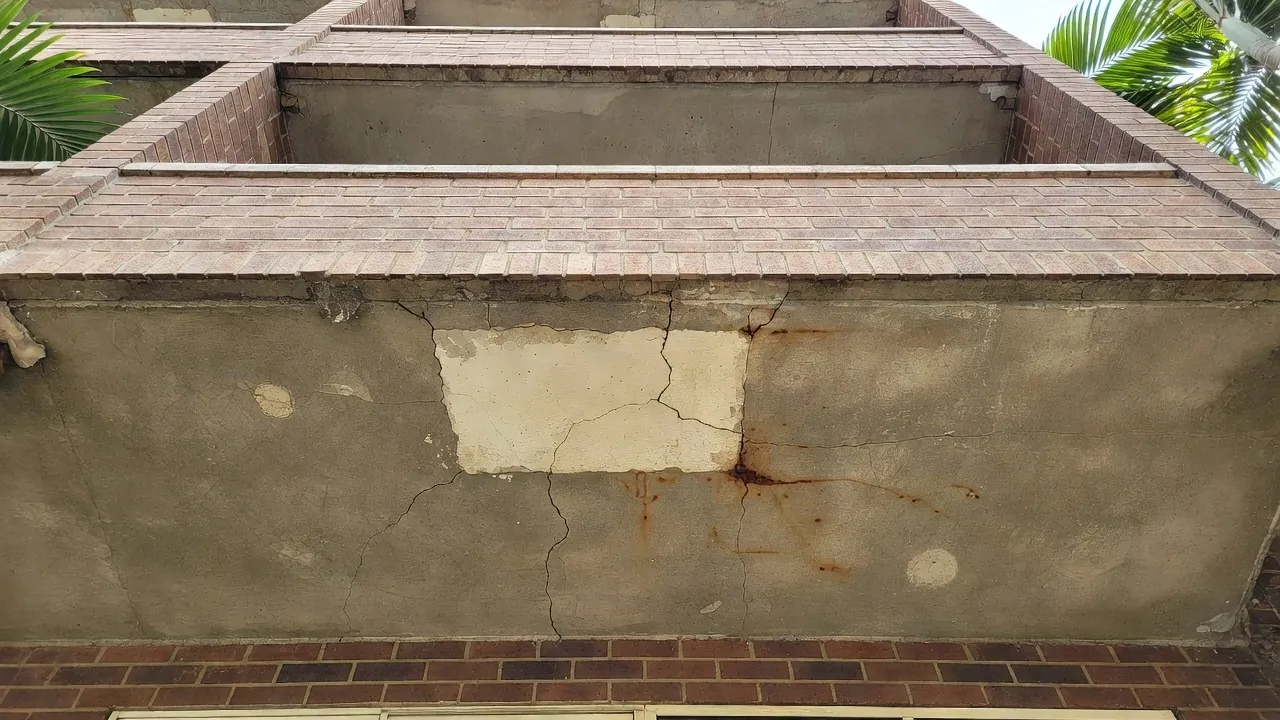
This is how Concrete Cancer Brisbane does the repair, step by step. Understanding the method is worth ten minutes, because it is the main thing that separates quotes that look similar on price.
Remove all drummy and damaged concrete, and keep going past the visible damage until you reach material that rings sound. Cutting the perimeter square rather than feathering it matters — a feathered edge is the first thing to fail.
Break out BEHIND the reinforcement, not just to its face. If the back of the bar stays embedded in contaminated concrete it keeps corroding, and the repair fails from behind where nobody can see it.
Abrasive blast or needle gun back to bright metal. Any remaining rust or scale is a plane of weakness and a continuing corrosion site.
Measure what is left of the bar. Significant loss means supplementary reinforcement and an engineer, not just more mortar. This is the decision point that gets skipped on cheap jobs.
Sacrificial zinc units tied to the steel, which corrode preferentially and protect the surrounding bar. On a bayside building these are not optional extras — without them the repair can drive corrosion at its own edges.
A proprietary repair mortar, applied to the specified thickness and properly cured, then an anti-carbonation coating where appropriate. Curing is an easy step to rush and it governs how the repair performs.
When you patch chloride-contaminated concrete, the fresh alkaline mortar and the old contaminated concrete around it sit at different electrochemical potentials. That difference drives corrosion in the steel just outside your repair. So a year or two later, fresh spalling can appear in a ring around last year's work, and the owners reasonably conclude the contractor did a bad job.
The cause may not be workmanship. One known cause is a patch without anodes on a building where anodes were needed. This is the single most useful thing a committee can know before reading a quote, because it explains why a lower price is sometimes buying a shorter life rather than the same job.
A quote that names the repair mortar system, states the breakout method and depth, specifies anodes with a quantity, includes curing, and describes reinstatement. A quote that says "repair spalled concrete — $X" cannot be checked against anything, and is impossible to hold anyone to. Ours name all five.
The suburbs below cover the 1960s–80s walk-up belt and the bayside strip, where salt air can reach the steel faster.
Tell us what the concrete is doing. We will inspect it and give your committee a written scope and a quote it can actually vote on.