Before anyone quotes
The point is a defect schedule, not a price. Without one, a quote is a guess about how much work there is.
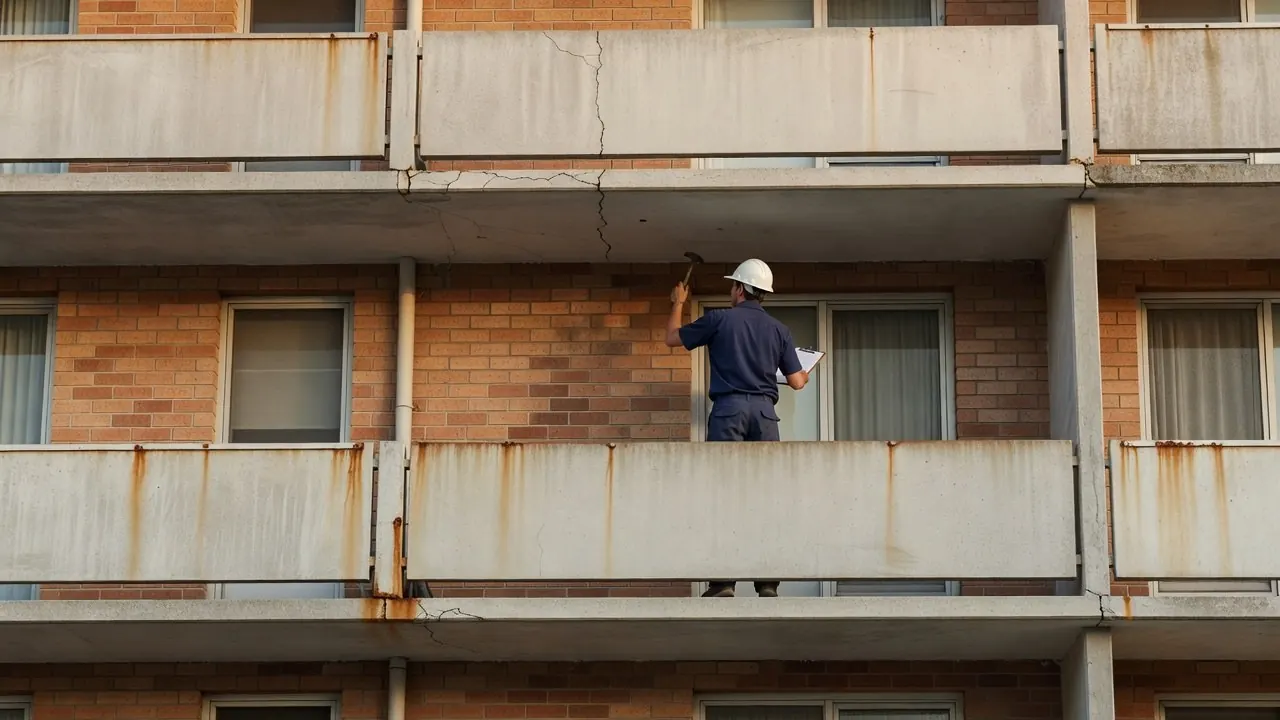
Concrete Cancer Brisbane does the inspection, and you keep the result. What you should end up holding is a document that quantifies the work, because that is what makes a quote checkable and a budget survive.
Tapping the concrete and listening. Sound concrete rings; concrete that has separated from the steel sounds hollow. This is how the drummy area beyond the visible damage gets found, and it can be larger than the damage you can see.
An electromagnetic meter locates the reinforcement and measures how much concrete sits over it. Thin cover explains why one elevation has failed and another has not, and predicts where the next damage will appear.
A fresh break sprayed with phenolphthalein indicator: still alkaline concrete turns pink, carbonated concrete does not. Comparing that depth against the cover depth tells you whether the front has reached the steel.
Dust samples drilled at depths and tested for chloride content. Worth it on any bayside or riverfront building, because the presence of chloride changes the repair method rather than just its extent.
Maps the electrical potential across a slab to show where corrosion is actively occurring — including in areas that still look perfect. On a large building this is what stops you repairing only what has already failed.
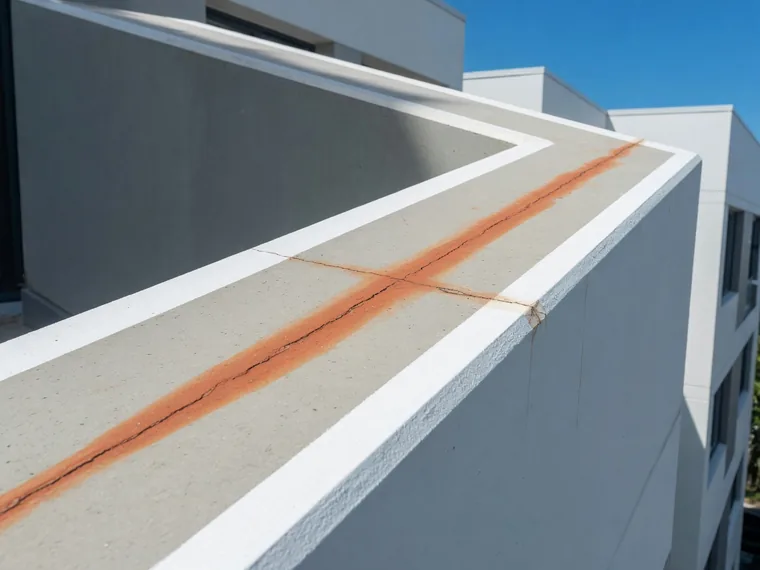
Every defect located, measured and photographed, so the scope can be quantified and so there is a baseline to compare against later.
A written scope with quantities: square metres of patch repair by area, linear metres of crack injection, number and location of anodes, the access method, and the reinstatement required. Plus a clear statement of anything that needs an engineer's design before repair. That is the document our fixed quote is built on.
If there is visible section loss in the reinforcement, if the element is a cantilever or a transfer slab, or if the building has post-tensioned slabs, a structural engineer should assess it before anyone prices remedial work. That is not caution for its own sake — the repair method genuinely differs, and a structural repair should follow an engineer's design, not the repairer's own scope. See is it structural.
The suburbs below cover the 1960s–80s walk-up belt and the bayside strip, where salt air can reach the steel faster.
Tell us what the concrete is doing. We will inspect it and give your committee a written scope and a quote it can actually vote on.